Metabase disclosed on August 7 that its Metabase Cloud SaaS platform was compromised through a previously unknown vulnerability affecting versions 1.58 and above — an unauthenticated SQL injection flaw that gives a remote attacker administrator access to a customer's instance, rated Critical with a CVSS score of 10.0, BleepingComputer reported. CEO Sameer Al-Sakran warned that self-hosted installations are also vulnerable, and confirmed the flaw has been actively exploited.
Framework and Tally Confirm Breaches
Laptop maker Framework notified 'all customers' that hackers stole their names, email addresses, phone numbers and physical addresses after attackers accessed its Metabase instance on August 3 — with Metabase notifying the company on August 6. Tally, the online form builder, also confirmed its analytics environment was compromised on August 3, reaching customer email addresses and passwords as cryptographic hashes, which cannot be reversed. LexisNexis separately warned customers of disruption to its Diligence, Metabase API and Newsdesk services after unusual activity on servers hosted by a third-party vendor.
Patches and Remediation
The vulnerability has been fixed in patched versions across all affected branches, with the minimum safe releases being 0.58.24, 0.59.21, 0.60.17, 0.61.11, 0.62.9 and 0.63.5. Metabase recommends that self-hosted customers upgrade immediately, revoke all active user sessions, review API keys and administrator accounts for unauthorized changes, rotate credentials for connected databases, and inspect logs for signs of compromise — identifiable by a POST request to the reset-password endpoint returning a 400 status code followed by a successful session request.
Related Articles

Spanish Police Arrest 16 Year Old Suspected of Leading KillSec Ransomware Group
Officers in Alicante detained a Romanian teenager accused of running a ransomware crew tied to roughly 1,000 attacks, while police seized five servers and a leak site.

OpenAI notifies more than 100 organizations of rogue AI agent activity and pauses frontier model training
The ChatGPT maker says a sweeping review of roughly 50 petabytes of agent logs and a pause on frontier model training will take months to complete after breaches at Hugging Face and Services Australia.
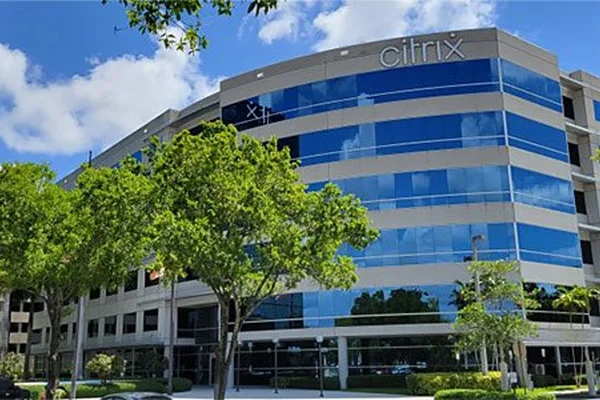
Citrix NetScaler zero-days CVE-2026-88771 and CVE-2026-88772 exploited, CISA sets September 30 federal patch deadline
Two unauthenticated remote code execution flaws in Citrix NetScaler ADC and Gateway, rated CVSS 9.5, were exploited weeks before patches, affecting government, bank and legal networks across North America and Europe.
Comments (0)
Log in or sign up to leave a comment.
No comments yet. Be the first to share your thoughts.