Nearly 500,000 hectares had burned across the European Union by July 31, with officials warning the season could approach last year's record, the Syrian Arab News Agency reported. France has lost more than 116,000 hectares — its worst total in history — including a 42,000-hectare blaze in the pine forests near Bordeaux that destroyed roughly 240 homes and displaced more than 220,000 people. Spain has lost over 150,000 hectares, and Greece, Germany, and Britain are all fighting significant fires.
From Athens to Suffolk
Greek crews battled fires near Athens with winds reaching 130 km/h, while Germany struggled to contain a wildfire in Bavaria. In the UK, a fire at Suffolk's Dunwich Heath burned near the Sizewell B nuclear power station, with more than half of England officially in drought and hosepipe bans affecting 23 million customers. In Hungary, temperatures were forecast to exceed 40°C, potentially reaching a record 42°C.
"Every new fossil fuel project approved today makes tomorrow's heatwaves more dangerous," UN Secretary-General António Guterres said on July 31, calling the summer's record-shattering heat domes and wildfires "only a warm-up act."
Warnings Beyond the Flames
The World Health Organization warned the same day that wildfire smoke can spread across countries and continents, posing acute health dangers far from the fire lines. Scientists at Columbia University reported the El Niño's key Pacific measurement region had already reached its warmest level on record for 15 weeks since formation — conditions that, combined with record ocean heat, are priming Europe for more extreme fire weather through the autumn.
Related Articles
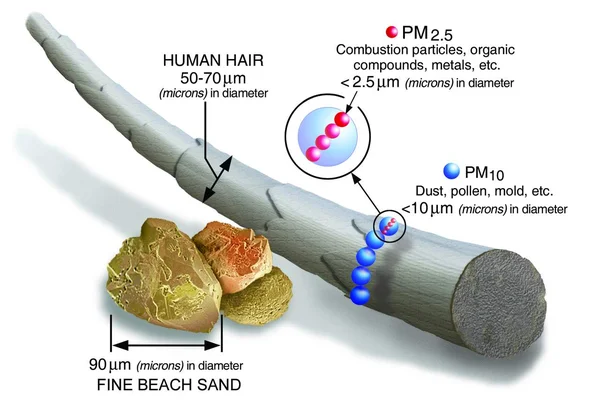
Study Finds Air Pollution Rose Up to 33 Percent After US Embassy Monitoring Shutdown
Columbia University researchers report in PNAS that satellite data show a 24 to 33 percent pollution increase across 46 cities after the State Department halted its embassy air quality program in March 2025.
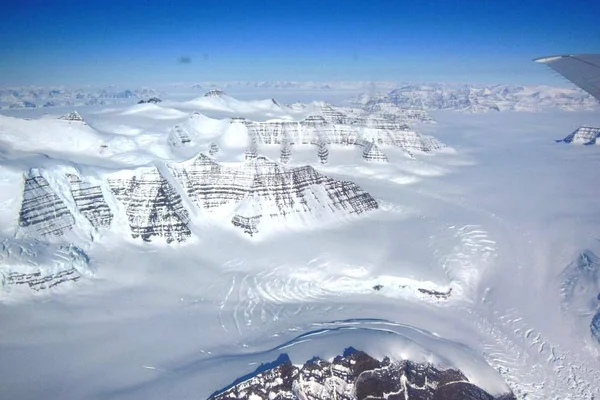
ETH Zurich and VUB Launch Global Glacier Extinction Explorer Mapping Every Glacier
A new interactive map built on Nature Climate Change research projects when each of the world's glaciers could vanish at 1.5C, 2.0C, 2.7C and 4.0C of global warming.

Indonesia Fires Become World's Largest Source of Wildfire Emissions as Pontianak Air Quality Hits 483
A super El Nino has pushed Indonesia's peatland fires to the top of global wildfire emissions, with Pontianak's air quality index reaching 483 on September 13, 2026.
Comments (0)
Log in or sign up to leave a comment.
No comments yet. Be the first to share your thoughts.