Neuralink has launched its first consumer product, a non-invasive brain-computer interface called Link One, aimed not at patients but at the general public. The sleek headband-like device reads neural signals through the scalp and allows users to control phones, computers, and smart home devices with thought alone. Priced at $399, Link One is the first brain-computer interface designed for mass-market consumers.
What It Can Do
In demonstration videos, users scroll through documents, select apps, type short messages, and adjust music playback without moving their hands or speaking. The device relies on a combination of EEG sensors and Neuralink's signal-processing software to decode intended actions from neural patterns. Initial use cases focus on accessibility, productivity shortcuts, and hands-free device control.
- Text input: Slow but functional thought-to-text typing
- Cursor control: Navigate interfaces with focus and intention
- Smart home integration: Control lights, thermostats, and locks
- Accessibility features: Alternative input for users with limited mobility
"Link One is not about replacing your hands. It's about adding a new, invisible layer of control to the devices you already use," said Elon Musk at the product launch. "The keyboard and mouse had a good run."
Privacy and Ethical Concerns
The idea of a consumer device reading brain activity has triggered immediate concern from privacy advocates. Link One records and processes neural data locally, but critics worry about future cloud features, data monetization, and the potential for employers or insurers to demand access to neural metrics. Several neuroethicists have called for binding legal protections before brain data is treated like ordinary personal data.
The Market Response
Consumer response has been enthusiastic despite the concerns. Neuralink reported 2 million pre-orders in the first week, and the company is ramping production to meet demand. Competitors including Synchron, Kernel, and Meta are accelerating their own non-invasive neural interface programs. The market for consumer neurotechnology is now projected to exceed $30 billion by 2030.
Whether Link One becomes an essential input device or a short-lived curiosity, it has made brain-computer interfaces a mainstream consumer category. The long-term societal questions — about privacy, augmentation, and what it means to think privately in a connected world — are only beginning.
Related Articles

France Confirms First Human Shamonda Virus Case After Immunocompromised Patient Dies in Lyon
French health and agriculture ministries say a severely immunocompromised patient treated in Lyon died in early October with Shamonda virus, the first human infection by a livestock pathogen spread by midges.
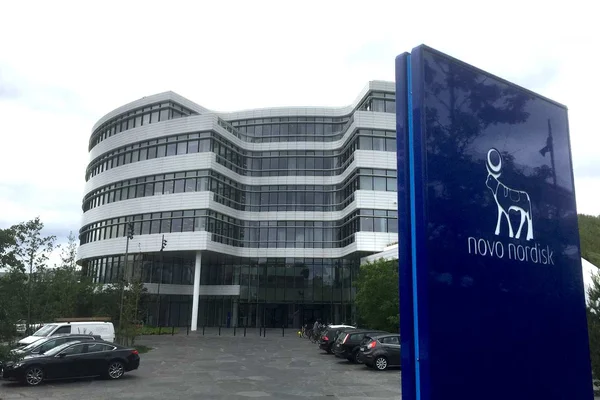
FDA Approves Novo Nordisk Awiqli as First Once Weekly Insulin for Children With Type 2 Diabetes
The US regulator cleared a once weekly basal insulin for patients aged 10 and older, giving pediatric type 2 diabetes a new option while Eli Lilly's rival remains adult only.

Nigeria Confirms First Imported Bundibugyo Ebola Case as Outbreak Reaches West Africa
A 42 year old Ugandan born woman who flew to Abuja from Kampala tested positive after three molecular tests, prompting contact tracing and airport restrictions.
Comments (0)
Log in or sign up to leave a comment.
No comments yet. Be the first to share your thoughts.