Astera Labs reported record second-quarter revenue of $392.4 million on August 4, representing 104% year-over-year growth, as demand for its AI connectivity solutions and Scorpio switches continued to accelerate. The results, summarized in the industry briefing "Semiconductors & AI Chips Weekly" published August 7, underscore the infrastructure buildout happening around AI data centers.
Connectivity Becomes the Bottleneck
Astera Labs makes the high-speed interconnect and signal-integrity chips that link GPUs, memory, and networking inside AI clusters. Its Scorpio family of PCIe and CXL switches sits directly in the path of the industry's biggest AI deployments, which helps explain why revenue more than doubled even as the company's fiscal calendar lags Nvidia's Vera Rubin ramp.
A Quarter of Records Across the Chip Stack
The record comes amid a stretch of blockbuster semiconductor results: AMD reported Q2 revenue of $11.5 billion on August 4, up 50% year over year with data center sales more than doubling to $6.7 billion, while TSMC posted $40.2 billion in quarterly revenue with gross margin of 67.7%. The same week, Samsung and SK Hynix unveiled architectural approaches to AI memory bottlenecks — including "zHBM" vertical stacking and a new high-bandwidth flash (HBF) standard — and SanDisk and Kioxia introduced 10th-generation QLC NAND aimed at AI and cloud storage workloads.
Why It Matters
Astera Labs' growth shows that the AI chip boom is no longer just about processors. Every GPU rack needs dozens of interconnect, retimer, and switch devices to function, and that secondary silicon layer is now growing at triple-digit rates. Analysts tracking the sector expect the trend to persist as hyperscalers deploy Nvidia's Vera Rubin NVL72 rack-scale systems through the second half of 2026.
Related Articles
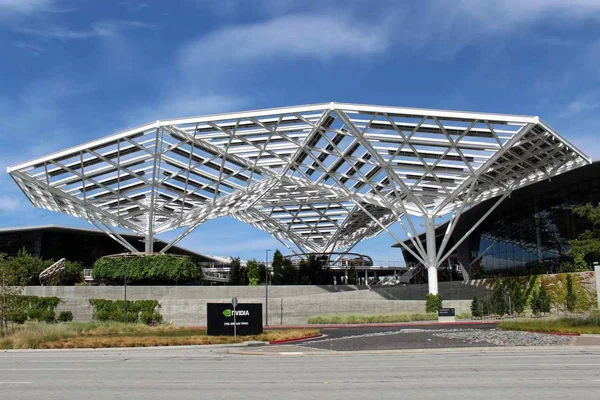
Nvidia adds 64GB DGX Spark at $4,999 while 128GB model rises to $6,950
Nvidia's new 64GB DGX Spark starts at $4,999 and ships October 23 through six PC makers, while the 128GB model now lists at $6,950 as memory supply remains tight into 2027 and 2028.
Nvidia Raises Shield TV Pro to $299.99 and Ends Base Shield TV After Seven Years
The $100 jump leaves Nvidia's flagship Android TV box at its highest price yet, with the cheaper tube model now out of production as memory costs ripple through consumer electronics.
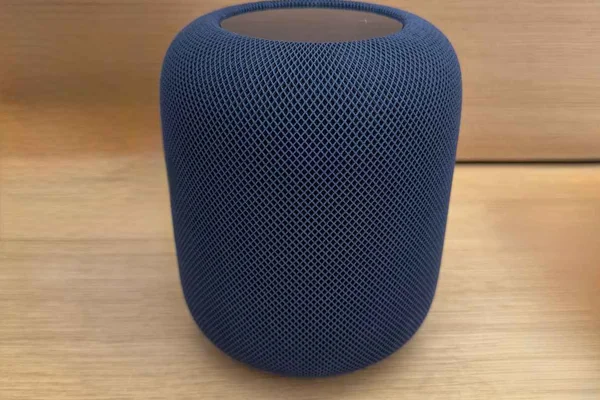
Apple to launch J490 smart home hub on October 13 with new HomePod mini and Apple TV
The iPhone maker will introduce a 6-inch smart display code-named J490, a refreshed HomePod mini, and a new Apple TV box, according to Bloomberg.
Comments (0)
Log in or sign up to leave a comment.
No comments yet. Be the first to share your thoughts.